
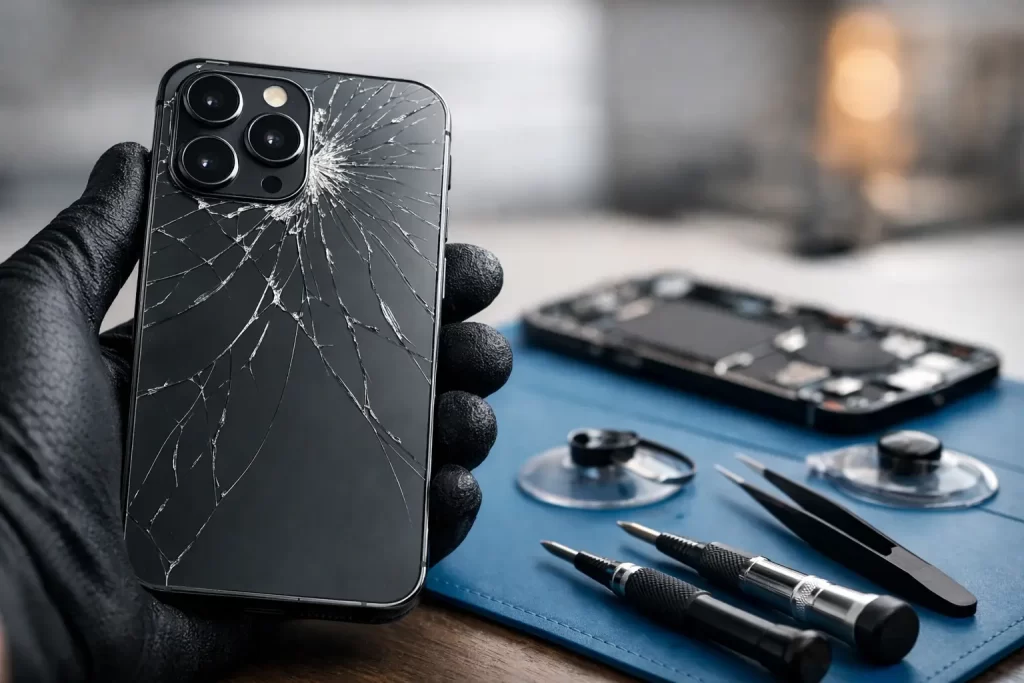
That first crack across the back of your iPhone usually looks harmless. Then the glass starts flaking, the phone catches on your pocket, wireless charging becomes unreliable, and every quick pick-up feels like a chance to make it worse. If you are searching for how to fix cracked iPhone back glass, the real question is not just can it be repaired. It is whether you should attempt it yourself, and what that choice could cost in time, safety, and further damage.
How to fix cracked iPhone back glass without making it worse
Back glass damage is different from a cracked screen. The rear panel on many iPhone models is bonded strongly to the frame, often with adhesive that is difficult to remove cleanly without specialist heat control, precision tools, and patience. On newer models, the repair can be especially labour-intensive because the broken glass has to be removed piece by piece or the housing needs to be replaced, depending on the model and repair method.
That matters because cracked back glass is not only cosmetic. Sharp edges can cut your hand. Small glass fragments can work loose inside bags, pockets, or car seats. More importantly, a drop hard enough to crack the rear glass can also affect the wireless charging coil, camera housing, frame alignment, flash, or internal flex connections. A phone can still turn on and appear fine while hiding damage that shows up later.
If the crack is minor and you need a short-term stopgap, a protective case can help contain the damage until proper repair. A temporary clear film or tape can also reduce the risk of cuts. That is a holding measure, not a fix. Once the rear glass is cracked, the device has already lost some protection against dust and moisture.
Can you repair cracked iPhone back glass at home?
Technically, yes. Practically, it depends on your model, your tools, and your tolerance for risk.
A DIY repair usually involves heating the back panel to soften adhesive, removing the broken glass carefully, cleaning the frame, fitting replacement glass, and resealing the phone. On paper that sounds straightforward. In reality, the hardest part is removing the shattered glass without damaging the housing, camera lens surround, charging components, or internal parts near the rear shell.
Some repairs use laser separation equipment to break down adhesive around the back glass. That is not the sort of gear most people have at home. Without it, removal can be slow and messy. You may spend hours scraping out bonded shards while trying not to gouge the frame or puncture something underneath.
If your iPhone is older, lower in value, and already badly worn, DIY might feel worth the gamble. If it is a newer device, a work phone, or something you rely on every day, the risk usually outweighs the saving.
What can go wrong during a DIY back glass repair?
The biggest issue is accidental damage beyond the original crack. It is common to turn a back-glass job into a frame repair, camera problem, wireless charging fault, or full housing replacement if the removal goes badly.
Heat is one risk. Too little heat and the glass will not release properly. Too much and you can affect adhesives around nearby components or stress the battery area. Tool slip is another. A metal blade in the wrong place can mark the frame, damage the charging coil, or interfere with camera alignment.
Then there is resealing. Even if you manage to remove and replace the glass, getting a neat, durable bond matters. Poor-quality adhesive or a rushed fit can leave raised edges, weak adhesion, or dust trapped under the panel. The phone may look fixed from a distance but feel rough in the hand and be more likely to fail after the next knock.
That is why many people who start with a DIY attempt end up bringing the phone in later with extra issues – pry damage, frame distortion, broken lens rings, or charging complaints after reassembly.
When professional repair is the better option
If the phone is worth keeping, professional repair is usually the smarter move. That is especially true if the crack is severe, the frame looks bent, the cameras sit unevenly, the phone no longer charges wirelessly, or the damage happened after a heavy drop.
A proper assessment does two things. First, it confirms whether the back glass is the only problem. Second, it tells you whether the job should be handled as a glass-only repair or a broader housing repair. That distinction matters because not every cracked rear panel should be treated the same way.
A repair shop with genuine board-level capability can also spot issues that a standard parts-swap counter may miss. If the drop has caused hidden connection faults, camera instability, charging failure, or motherboard-related symptoms, you want that found early. Fast service matters, but accurate diagnosis matters more.
For busy Darwin customers, downtime is usually the real pain point. You need the phone for work messages, maps, banking, school contacts, bookings, or travel. Spending an evening attempting a repair and then still needing professional help the next day is rarely convenient.
How to fix cracked iPhone back glass properly
The proper repair method depends on the iPhone model and the extent of damage. In some cases, the technician removes the broken rear glass and installs a new panel. In others, replacing the full housing or rear assembly delivers a cleaner and more durable result.
A good repair is not just about making the back look new again. It is about checking the frame, camera surrounds, charging performance, fitment, and overall device integrity after impact. If the phone has taken a bad hit, there may be more to inspect than the shattered panel itself.
This is also where warranty matters. If you are paying to restore the phone, you want clarity around the parts used and what is covered if something is not right after the repair. A clear 3-month parts warranty gives customers confidence that the fix is meant to last, not just look tidy for a week.
Signs your cracked back glass is urgent
Not every crack needs same-hour action, but some definitely should not wait. If glass is lifting away from the frame, if shards are falling out, or if the phone feels sharp to hold, the risk is immediate. The same goes for any sign of swelling, heat, charging trouble, rear camera issues, or recent contact with moisture after the break.
A cracked rear panel creates a weak point. In Darwin conditions, with heat, humidity, and a phone moving between cars, worksites, offices, and pockets all day, that weak point can get worse quickly. Dust and moisture do not need a dramatic opening to start causing problems.
If you use your device for business, there is also the practical side. A damaged phone does not inspire confidence when you are taking payments, answering clients, or relying on it on the move. A fast repair is often cheaper than putting up with a growing problem until it affects other components.
Cost versus value – is it worth repairing?
That depends on the model, the age of the device, and its overall condition. If the phone is relatively recent and otherwise working well, back-glass repair is often worthwhile. It restores usability, improves safety, and protects the resale value better than leaving it cracked.
If the phone already has multiple faults – poor battery health, charging issues, camera faults, screen damage, or frame bends – you need an honest view of total repair value. Sometimes a combined repair still makes sense. Sometimes it is better to put that money towards replacement.
The key is getting a straight answer. Not every cracked iPhone back should be repaired the same way, and not every phone is worth the same investment. A dependable repair shop will tell you where the value is, rather than forcing a one-size-fits-all fix.
What to do next if your iPhone back glass is cracked
If the phone is still in use, put it in a case straight away and avoid picking at loose glass. Do not test your luck with water exposure, even if everything seems normal. If wireless charging has become temperamental, stop forcing it onto chargers that generate extra heat.
Then get the device assessed sooner rather than later. A fast, professional back-glass repair is usually the least painful route – especially when you rely on your phone every day and want the job done properly the first time. At iSmashed, that means practical advice, quick turnaround, and repair work backed by a 3-month parts warranty.
A cracked back does not always mean disaster. It does mean the phone is more vulnerable than it was yesterday, and the best fix is the one that restores it before a cosmetic issue turns into a more expensive repair.